
Recognizing Signs That Your Glasses Need Replacement
Regular updates to your eyewear prescription are essential for maintaining optimal vision and comfort. Knowing when to replace your glasses involves recognizing various signs, from physical damage to changes in your vision. This involves attention to specific indicators that signal it’s time for a new pair.
Changes in Vision
One of the primary reasons to consider replacing your glasses is a noticeable change in your vision. If you find yourself squinting, experiencing frequent headaches, or noticing blurred vision while wearing your current glasses, it may be time for a new eye exam. Regular eye exams are usually recommended every one to two years, but any changes in visual clarity should prompt an earlier visit to your optometrist.
It’s critical to address visual changes promptly because even slight variations in your visual acuity can lead to significant eye strain and discomfort. This occurs because your eyes have to work harder to focus, leading to symptoms such as fatigue, dryness, and irritation. By obtaining an updated prescription, you can alleviate these issues and improve your overall ocular health.
Scratches and Damage to Lenses
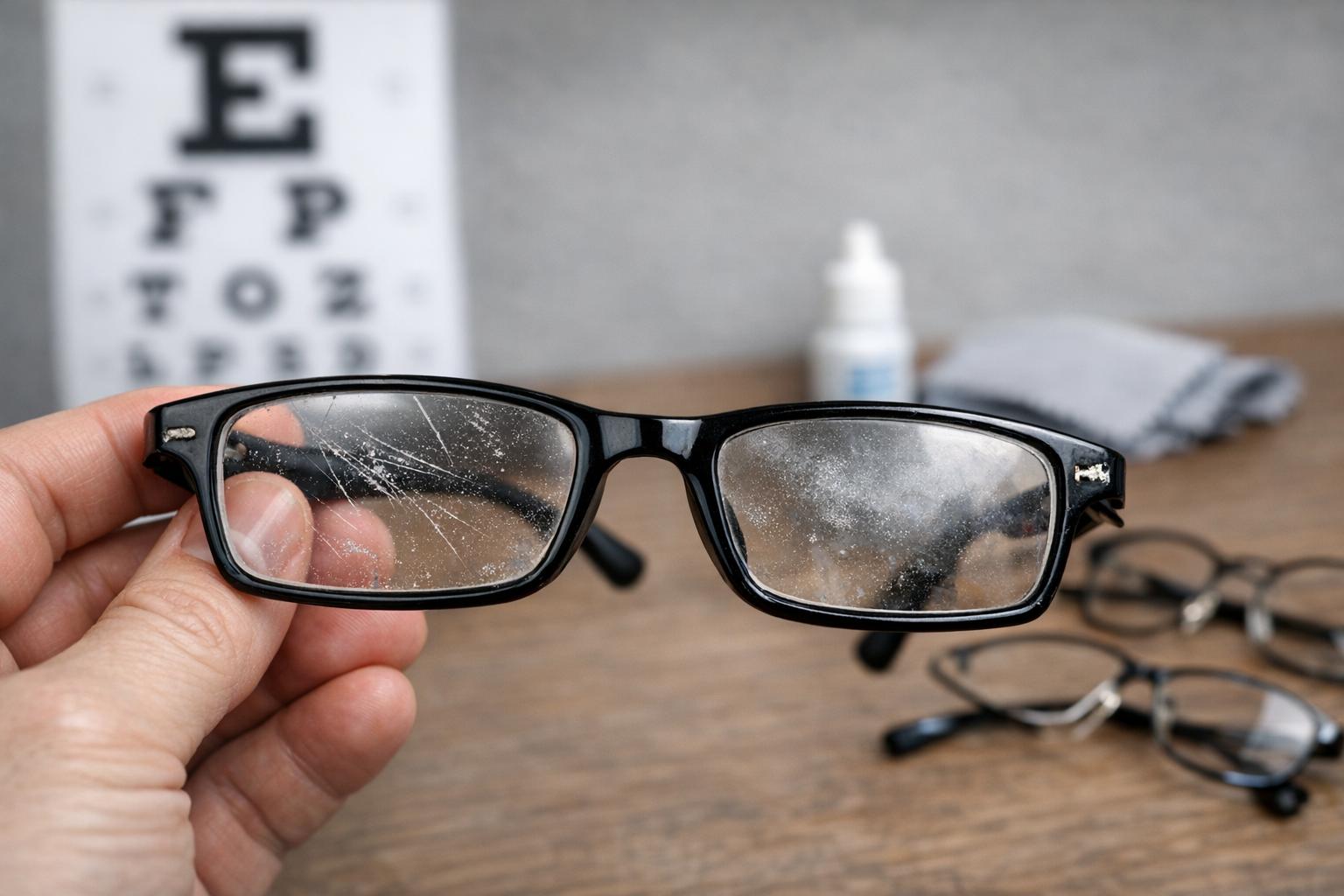
Physical damage is another critical factor in determining when to replace your glasses. Lenses with scratches can impair your vision by causing glare and reducing clarity, which can be particularly problematic in bright conditions or when driving at night. Even minor scratches can disrupt your line of sight and lead to discomfort. It’s beneficial to handle your glasses carefully and store them in a protective case when not in use.
However, once the lenses are scratched or the frame is damaged beyond repair, replacement becomes necessary. Damaged frames can also impact the alignment of your glasses, affecting their fit and the accuracy of your vision correction. Therefore, it’s important to regularly inspect your glasses for signs of wear and tear.
Outdated Prescription
Prescriptions can change over time, and an outdated prescription may not account for shifts in your visual acuity. A mismatched prescription can lead to symptoms such as eye strain, headaches, and blurred vision. These symptoms are your body’s way of signaling that your current glasses no longer meet your needs.
Keeping up with regular eye exams ensures that your glasses align with your current vision needs. Optometrists use these examinations to detect subtle changes in vision and to adjust prescriptions accordingly. This proactive approach not only maintains your vision quality but also prevents further visual degradation.
Frame Fitting and Comfort
The fit and comfort of your glasses are crucial for daily wearability. Over time, frames can become loose, bent, or uncomfortable due to regular use, alterations, and exposure to varying temperatures. If adjustments no longer suffice to improve comfort or maintain proper alignment on your face, it’s probably time to invest in a new pair.
When selecting new frames, consider factors such as nose pad comfort, temple length, and the frame’s overall weight. A good fit ensures that your glasses stay securely in place, providing consistent vision correction and minimizing distractions or discomfort during day-to-day activities.
Lens Technology Upgrades
Technological advances can improve lens features such as anti-reflective coatings, blue light filtering, and transition lenses. These improvements can enhance your visual experience and comfort, particularly if you spend extensive time in front of digital screens or under fluorescent lights. Digital devices emit blue light, which can contribute to digital eye strain and disrupt sleep patterns.
Modern lens technologies have been developed to address these challenges and can be a worthy consideration if you experience these effects. For instance, anti-reflective coatings can reduce glare, enhancing visual clarity and comfort. Blue light filtering lenses can reduce exposure to harmful blue light, mitigating eye strain and improving your overall visual experience.
If your glasses lack these features, consider replacing them to take advantage of new technological benefits. Making such an upgrade can cater to your lifestyle needs, providing a balance between comfort, protection, and clarity.
Maintaining Eye Health
Ultimately, ensuring eye health involves proactive measures, including keeping eyewear up-to-date and in good condition. Consulting with your optometrist regularly is an effective way to receive tailored advice for your eyewear needs. Periodic consultations with an eye care specialist allow for the monitoring of eye health and the early detection of potential issues.
An open dialogue with your eye care specialist will help determine when it’s time to replace your glasses for optimal vision and eye health. They can offer personalized recommendations based on your individual needs, lifestyle, and any specific tasks or environments that require special visual considerations.
In conclusion, the decision to replace your glasses should be guided by both subjective experiences and professional advice. Awareness of signs such as vision changes, lens damage, outdated prescriptions, and the availability of technological upgrades can be instrumental in maintaining optimal eye health and comfort. Regular visits to your eye care professional ensure that any issues are promptly addressed, keeping your vision clear and comfortable throughout daily life.
This article was last updated on: September 25, 2026