
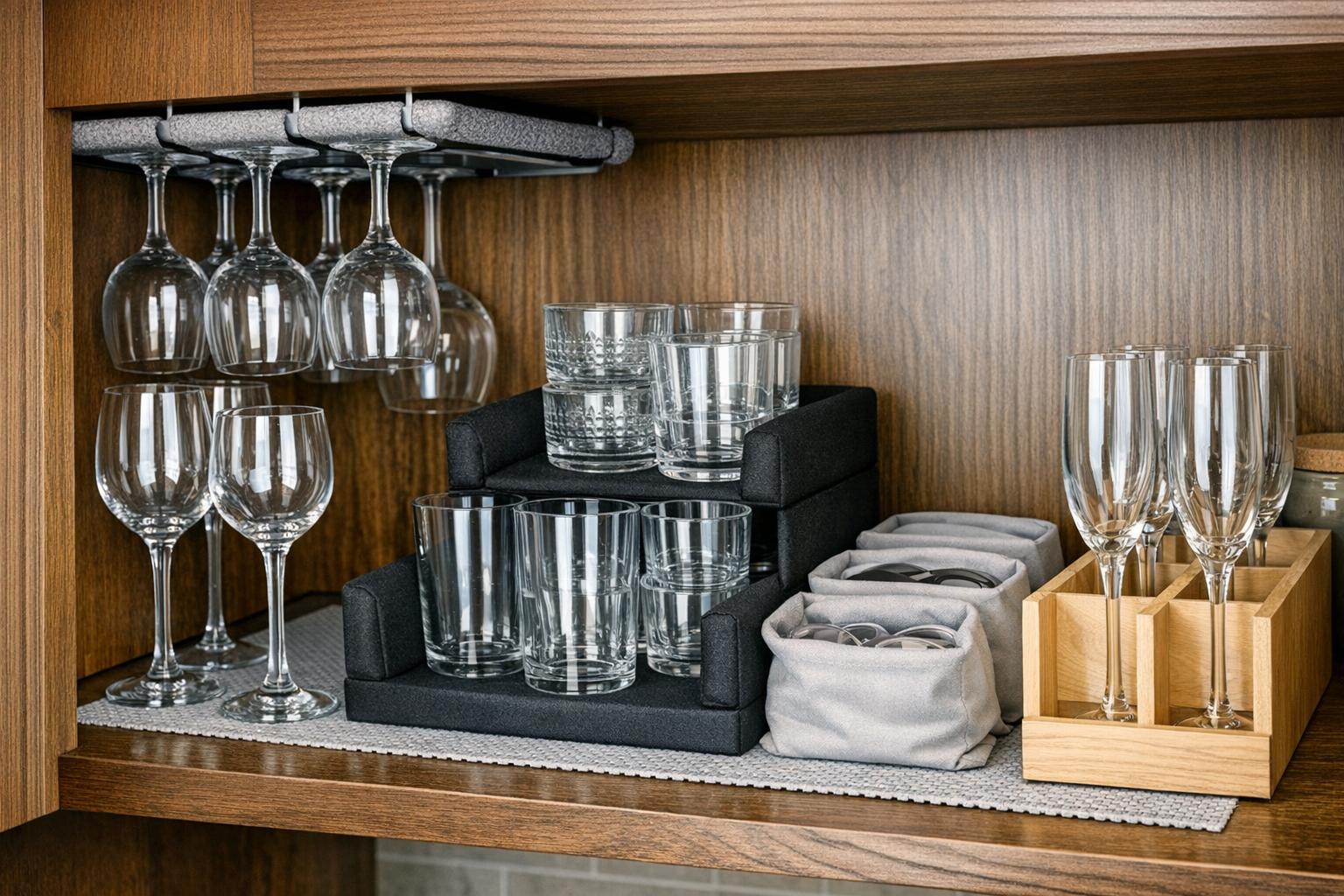
Storing Glasses Safely
Proper storage of glasses is essential to protect them from damage and ensure their longevity. Whether you are handling reading glasses, sunglasses, or other types of eyewear, taking measures to keep them safe can save you from unnecessary expenses and the inconvenience of trying to repair or replace them.
Use a Protective Case
A quality protective case is one of the simplest and most effective ways to store glasses. When glasses are not in use, place them inside a sturdy case to shield them from external pressures, falls, and scratches. Hard-shell cases are particularly recommended as they offer more robust protection compared to soft cases. This is due to their rigid construction that acts as a shell against compression. Soft cases, made from materials such as fabric or leather, are lightweight but may not adequately protect from impact or pressure.
A hard-shell case often comes with a lined interior, cushioning the glasses and preventing them from moving around. Always make sure to firmly close the case to avoid accidentally dropping your eyewear. If you’re investing in a new pair of glasses, consider purchasing a case with a clip to attach to bags, further reducing the risk of misplacement.
Avoid Hazardous Areas
Ensure that glasses are not left in places where they might be accidentally sat on, stepped on, or knocked to the ground. Avoid placing glasses on the edges of tables or counter spaces. Instead, designate a specific spot for storing them that is away from high-traffic areas. This practice minimizes the risk of accidental damage from being brushed off surfaces or caught in the clutter of everyday activity.
Keeping glasses away from bustling environments helps prevent unintentional harm that may result from crowded settings, whether at home or in office spaces. Select a storage zone like a drawer in a nightstand or a dedicated shelf space. These areas can be structured to accommodate various personal items, ensuring your glasses remain risk-free from potential mishaps.
Temperature and Humidity Considerations
Glasses should be kept away from extreme temperatures as heat can warp frames and lenses. Avoid leaving them in places like car dashboards on hot days. Extreme heat can cause plastic frames to soften and metal frames to reshape. Lens coatings are susceptible to heat damage, which may result in irreversible distortion or bubbling of tinted layers. Similarly, high humidity can affect lens coatings, so it is best to store glasses in conditions with moderate humidity.
Humidity plays a significant role in maintaining lens integrity. Prolonged exposure to high humidity can compromise the adhesion of coatings on lenses, eventually leading to peeling or blistering of anti-reflective or scratch-resistant films. It is prudent to store glasses in a humidity-controlled environment, such as a room with air conditioning or a dehumidifier, to preserve both lens and frame condition.
Clean Before Storing
Before putting glasses away, clean the lenses and frames properly. Use a microfiber cloth and a solution specifically designed for cleaning glasses, which helps maintain clarity and prevent buildup that could potentially scratch the lenses when stored. Avoid using paper towels or clothing, as these can introduce microscopic scratches.
Regular cleaning is crucial, not just for visibility but also to prevent debris from scratching the lenses while stowed away. Opt for gentle lens cleaners that are free from alcohol or harsh chemicals, which could degrade lens coatings over time. Ensure that the frames are dry before storage, as moisture can foster mildew or contribute to the deterioration of components.
Use Organizer Trays
If you have multiple pairs of glasses, consider using an organizer tray or drawer insert. These compartments can keep your glasses separated and provide extra protection from collision and scratching against each other. Look for organizers lined with a soft material to further safeguard the frames.
Organizer trays come in various designs, conveniently offering sections to accommodate diverse eyewear styles. Features such as adjustable dividers enable customization to fit glasses of different shapes and sizes, ensuring each pair rests securely without sliding or jostling.
A Few Considerations
Finally, always handle glasses with care. When handling them, use both hands to avoid putting excessive stress on the frames, which can over time lead to warping or breakage. Keeping glasses balanced in both hands prevents unnecessary torque on the hinges and sides, preserving their alignment and comfort fit.
For more detailed advice on caring for specific types of eyewear, such as blue light-blocking glasses or prescription sunglasses, visit our comprehensive eyewear care guide. Proper care extends beyond storage and includes routine maintenance and use. Understanding the unique needs of different eyewear types can further enhance their lifespan and functionality, making them a valuable part of your daily routine.
This article was last updated on: September 4, 2026