
Understanding the Type of Frame
Before embarking on the task of straightening a bent frame, it’s imperative to properly identify the type of frame material you are dealing with. Frames are commonly constructed from various materials, each of which demands specific handling techniques due to its unique properties. The common materials for frame construction include metal, wood, and plastic. Each type presents distinct characteristics that influence how they should be straightened.
Metal Frames
Frames made from metal are prevalent in items such as bicycles, sunglasses, and car parts. These frames are generally sturdy; however, they can bend when subjected to significant impact. The specific type of metal plays a critical role in determining the appropriate method to straighten the frame. Distinguishing between metals like aluminum, steel, or titanium is essential for a successful repair process.
Aluminum Frames
Aluminum is favored in frame construction because of its lightweight nature and resistance to corrosion, which makes it ideal for a variety of products. Despite its advantages, aluminum is more susceptible to bending. When tackling the task of straightening an aluminum frame, exercise caution by applying gradual pressure. Avoid exerting excessive force, as aluminum is prone to cracking under intense strain. The key is to apply steady and controlled pressure to prevent any further damage to the frame.
Steel Frames
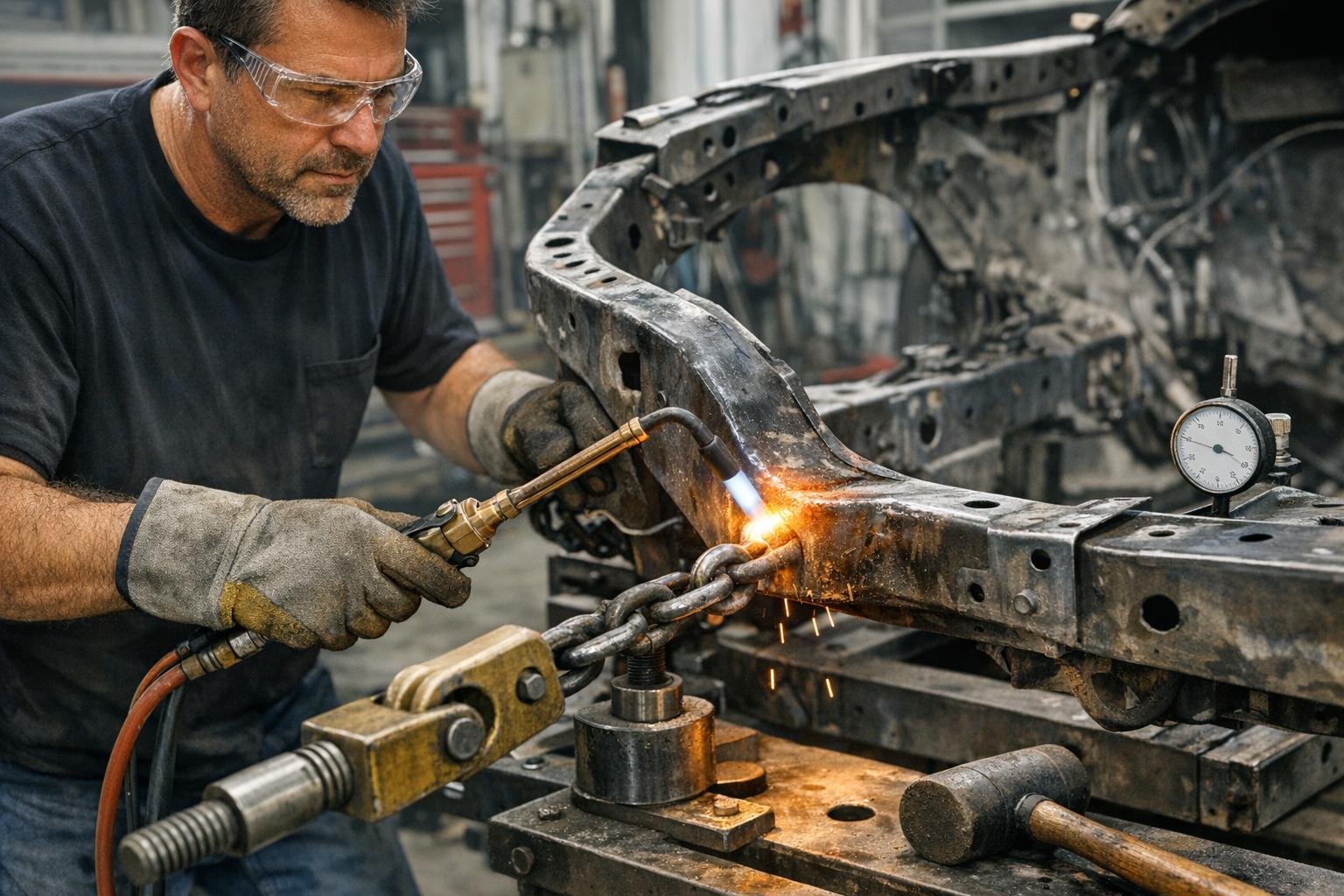
Frames made from steel exhibit robustness and a degree of flexibility. For minor bends in steel frames, using a mallet gently can often suffice. However, for more severe bends, the material may require a heat treatment to enhance its pliability, facilitating easier manipulation. During this process, it’s crucial to control any heat application, ensuring that the steel is not damaged by excessive heating or roasting.
Wooden Frames
When dealing with wooden frames, a gentle approach is necessary. Wood can warp due to exposure to moisture or from physical impact, each requiring a different strategy for correction.
Moisture-Induced Bends
If a wooden frame bends due to moisture, the objective is to gradually reduce the moisture content within the wood. This involves drying the wood in a controlled environment to prevent cracking. Once the wood has sufficiently dried, apply steady force to encourage realignment of the warp. It’s essential to avoid rapid drying techniques, such as direct heat application, which could lead to cracking.
Handling Physical Impacts
In instances where a wooden frame has been bent from physical impact, employing a clamp can be instrumental in providing gradual pressure to remedy the bend. To prevent surface damage during the clamping process, it is advisable to place a damp cloth between the clamp and the wood.
Plastic Frames
Plastic frames are typically found in eyewear and are generally more flexible than metal or wood frames. Despite this flexibility, plastic frames can become misshapen. To straighten a plastic frame, immerse it in warm water to make the material more pliable. Once softened, gently apply pressure to bring the frame back into alignment. Exercise caution to avoid overheating, which can cause the plastic to warp and lose its structure.
Using Proper Tools and Techniques
Successfully straightening any frame relies on the selection of the correct tools and the application of suitable techniques. The choice of tools can range from simple household items to specialized equipment intended for this purpose.
Basic Tools
For small adjustments, common household tools such as pliers, clamps, or mallets may prove adequate. It’s important to ensure that all tools used are clean and in good working condition to avoid inflicting additional damage on the frame.
Advanced Techniques
In situations involving more complicated bends, precision tools can be necessary, and seeking professional services might become a viable option. These professionals typically have access to specialized equipment tailored for specific frame materials, significantly reducing the risk of causing irreversible damage. Reaching out to the manufacturer for advice might also be beneficial as they can offer valuable insights based on the specific material your frame is constructed from.
Safety Precautions
Whenever you are engaged in the activity of straightening a bent frame, safety should always be prioritized to prevent injury and to preserve the frame’s integrity.
Personal Safety
To minimize the risk of injury, always wear protective gear such as gloves and eye protection. Working with any type of material could expose you to sharp edges or, when heating is involved, intense heat. Therefore, ensuring personal safety through the use of safeguards is vital.
Protecting the Frame
Care must be taken to ensure that any force or tool application does not result in further damage to the frame. Wrapping the frame in a soft cloth can help reduce the chance of scratching or denting the surface during the straightening process. This protective measure helps maintain the aesthetic and structural integrity of the frame.
Conclusion
Effectively straightening a bent frame requires a foundational understanding of the material involved and application of the appropriate techniques and tools. While minor bends can often be corrected at home, it is important to recognize the limits of amateur repair and seek professional intervention if needed. By following safe practices and understanding the characteristics of different frame materials, you can efficiently restore bent frames and thereby extend their usability and lifespan.
This article was last updated on: October 16, 2026