

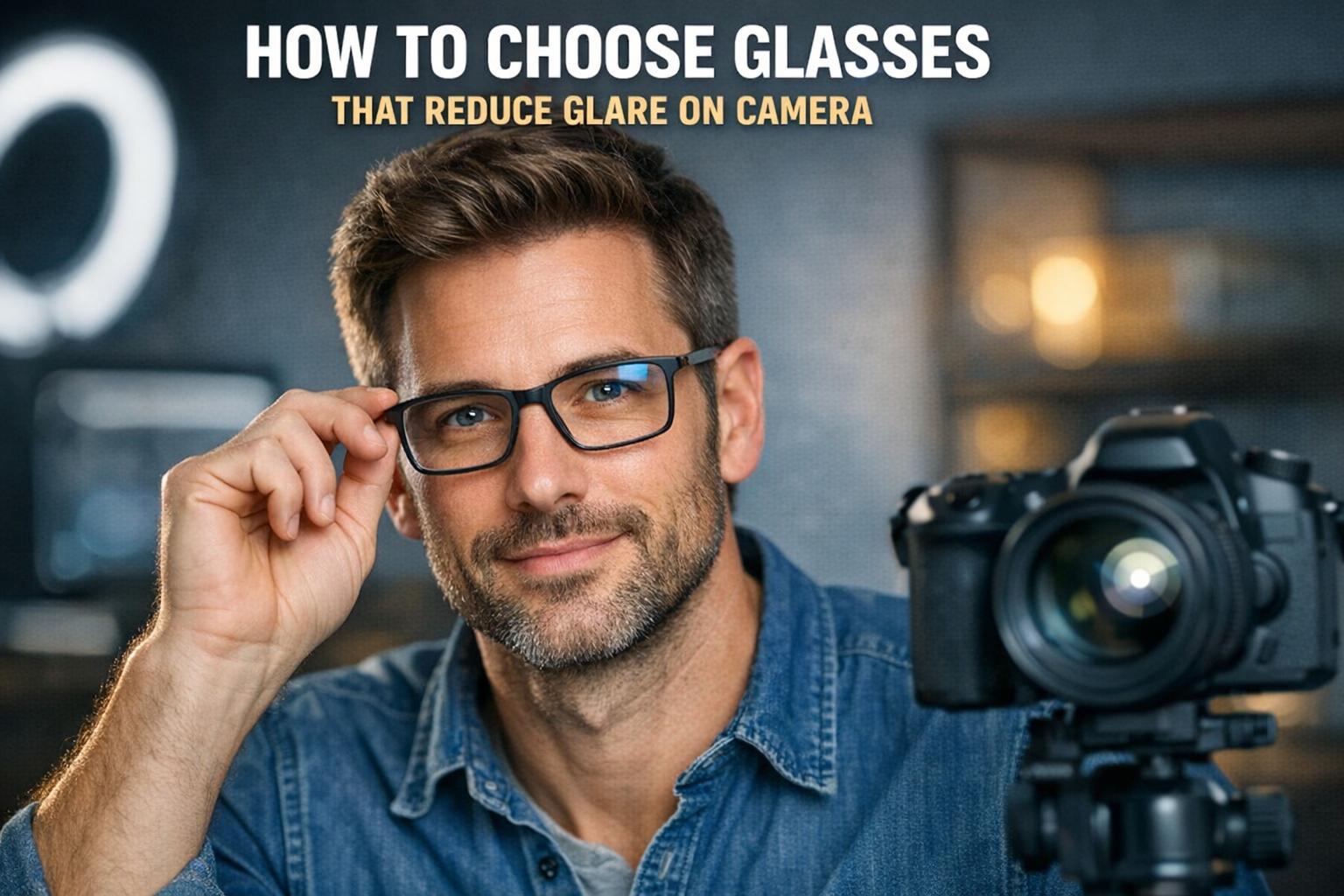
Understanding Glare on Camera
Glare poses a significant challenge to both amateur and professional photographers when trying to capture clear images or videos. This is particularly noticeable if the subject is wearing glasses, where reflections on the lens surface can distort the intended image. Understanding how to reduce glare can significantly enhance the quality of photos and videos. A strategic approach, such as selecting the right eyewear, can address many glare-related challenges.
Invest in Anti-Reflective Coatings
Anti-reflective (AR) coatings are perhaps one of the most effective solutions for reducing glare. These coatings are designed to minimize the reflections that occur on the surface of eyeglass lenses. By allowing more light to pass through the lenses, AR coatings reduce unwanted glare and thus improve visibility. When choosing glasses, it’s crucial to ensure they come equipped with high-quality AR coatings. Opticians or specialty eyewear shops can offer guidance on the best options available.
Applying AR coatings involves adding a series of thin layers on the lens surface, each reducing the reflection of specific wavelengths of light. This process ensures that lenses are nearly invisible when worn, enhancing the clarity and contrast of everything viewed through them. Consequently, images captured by photographers or videos shot by filmmakers can appear more vivid due to reduced glare interference.
Select the Right Lens Material
The material used to make lenses plays a significant role in determining the effectiveness of glare reduction. Different materials interact with light differently, affecting how much glare is produced. Polycarbonate and high-index plastic lenses come highly recommended for individuals frequently in front of a camera, as they naturally possess some anti-reflective properties.
Polycarbonate lenses are not only known for their light and thin characteristics but are also impact-resistant, making them suitable for both children and active adults. They offer a higher degree of comfort while concurrently reducing glare. Similarly, high-index lenses are advantageous as they can reduce the “bug-eyed” effect that sometimes occurs with high prescription glasses and minimize reflections due to built-in anti-reflective properties.
Consider Lens Tint and Color
Although lens tints are typically associated with sunglasses, specific tints can be beneficial for regular eyewear. Light tints, such as rose or yellow, can enhance contrast and reduce glare, proving to be particularly useful for specific activities indoors. However, it is crucial to ensure that the tint is not excessively dark if the glasses are intended for use in front of a camera, as this could impair visibility and distort color accuracy in images or videos.
Lens color and tints largely depend on personal preference and the specific conditions under which the glasses will be worn. For individuals who find themselves in varying lighting conditions, photochromic lenses, which adjust their tint based on the level of UV light exposure, might offer a versatile solution.
Correct Frame Choice
Selecting the right frame design is equally important as choosing lenses to reduce glare. The presence of certain frame styles can inadvertently affect the amount of light reflecting off the lenses. Minimalistic frames, especially those that are thin and possess minimalist designs, tend to produce less glare. This is due to smaller frames exposing less lens surface area to potential reflecting light sources.
Conversely, frames with wide temples might cast more light across the lenses, increasing the likelihood of glare appearing in photographs or videos. Keeping this in mind, individuals aiming for minimal glare should avoid overly wide temples and instead opt for sleeker, more streamlined frames.
Additional Considerations
While choosing the right eyewear can drastically diminish glare issues at the source, other solutions may complement eyewear selection. Digital or post-processing techniques can be applied to images and footage to further reduce glare effects. However, these are often seen as fallback strategies or supplementary methods to be employed when glare prevention through eyewear selection proves insufficient.
For those looking to explore digital solutions, technological advancements in editing software provide numerous tools and features focusing specifically on minimizing glare. Cutting-edge algorithms within these programs can effectively detect and neutralize reflective surfaces, often improving the overall quality of the image or video.
Consulting with professional opticians can help one gain insight into the latest technological advancements in lenses and coatings. This consultation process provides individuals with tailored advice based on their specific needs and environments. Similarly, specialized eyewear retailers often have the latest updates on anti-reflective coatings that combine cutting-edge technology with fashion, ensuring both functionality and style.
Further exploration and understanding of these considerations can help individuals make informed decisions that enhance their photographic pursuits. To gain more detailed information about anti-reflective coatings and the latest lens technology, visiting trusted eyewear retailers or consulting an optometrist will provide comprehensive and up-to-date insights. These trusted sources often have both the expertise and the product range to meet the specific requirements of those regularly in front of the camera, ensuring that the resulting images and videos are of the highest quality иreflecting the true essence of the moment captured.
This article was last updated on: August 25, 2026