
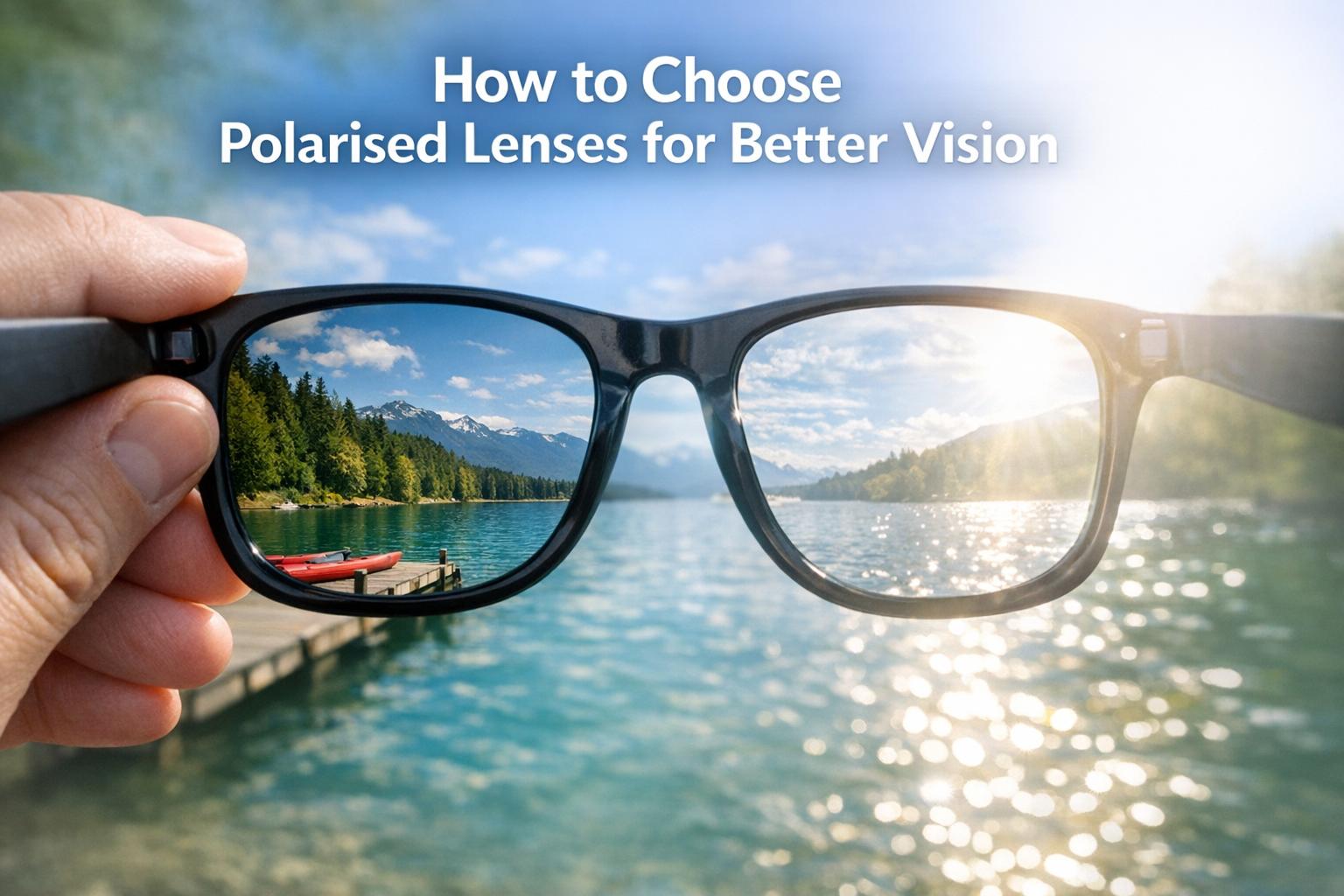
Understanding Polarised Lenses
Polarised lenses have become an essential tool for enhancing visual clarity and comfort in various environments. These special lenses are specifically designed to reduce glare, which can be bothersome and impair clear vision. This glare is often reflected from horizontal surfaces like water, snow, and glass, which makes it particularly disruptive during certain activities. Polarised lenses utilise a special chemical film that effectively blocks some of the light from entering your eyes, significantly enhancing both visual comfort and clarity.
Functionality of Polarised Lenses
The mechanism by which polarised lenses operate is both intelligent and efficient. They filter the incoming light through a special filter embedded within the lenses. This filter is designed to block out intense reflected light, thereby reducing glare significantly. The capability to diminish this glare is particularly beneficial during outdoor activities where such reflection is prevalent. For example, fishing, skiing, or driving can become considerably more comfortable and safer experiences with the use of polarised lenses. However, it’s crucial to understand that while polarised lenses enhance comfort and visibility by reducing glare, they do not inherently offer significant UV protection. Therefore, it remains essential to verify that the sunglasses or eyewear incorporating polarised lenses also have adequate UV protection features.
Distinguishing Features
When it comes to selecting polarised lenses, it is vital to be aware of their key distinguishing features. These features can critically impact the effectiveness and suitability of the lenses for different users and activities:
Polarisation Efficiency: Polarisation efficiency is a measure of how effectively the lenses can filter out glare. High-quality polarised lenses usually boast a higher polarisation efficiency, providing enhanced glare reduction. This means you will experience less discomfort from reflected sunlight and clearer vision.
Base Tint Colour: The base tint of the lenses can significantly influence your overall visual experience. Different tints provide varied benefits; for example, grey tints help maintain true colour perception, ensuring that what you’re seeing is closest to reality. On the other hand, brown tints enhance contrast, which can be beneficial in low or flat light conditions by improving depth perception and detail definition.
Lens Material: The choice of lens material can affect clarity, weight, and durability. Common materials include glass, polycarbonate, or CR-39. Glass lenses often provide excellent optical clarity, but they can be heavier. Polycarbonate lenses are lighter and more impact-resistant, making them a practical choice for active use. CR-39 offers a balance between clarity and affordability, making it a popular option for everyday wear.
Purchasing Considerations
Purchasing polarised lenses requires careful consideration to ensure that the choice meets your specific needs and provides the expected benefits. Here are a few points to consider when buying polarised lenses:
Verifying authenticity is crucial when selecting polarised lenses. Some lenses, especially cheaper options, may be inaccurately marketed as polarised. It is essential to purchase from reputable brands or sellers to avoid deception and ensure genuine quality. Additionally, evaluate your unique requirements based on your lifestyle. For example, sunglasses designed for fishing might need different features compared to those intended for driving or skiing.
Make sure the lenses fit well with your lifestyle and provide ample comfort. If you are uncertain about which lenses are suitable for your situation, seeking professional advice from an optometrist or eyewear specialist may be beneficial. These professionals can provide indispensable insights into which lens properties would be most advantageous based on the activities you engage in and the environments you’re exposed to. Furthermore, always confirm the return policy in case the glasses do not meet your expectations or needs.
Additional Resources
To further comprehend the complexities of polarised lenses and their myriad benefits, it is advisable to explore educational optical resources. Consulting an optometrist can also be extremely helpful. Both professional sites and optometry experts offer valuable insights that can assist you in making an informed decision when choosing eyewear with polarised lenses. Furthermore, engaging with trusted eyewear specialists could provide additional options and custom solutions tailored specifically for your needs, ensuring a more targeted and effective purchase.
This article was last updated on: November 28, 2026