
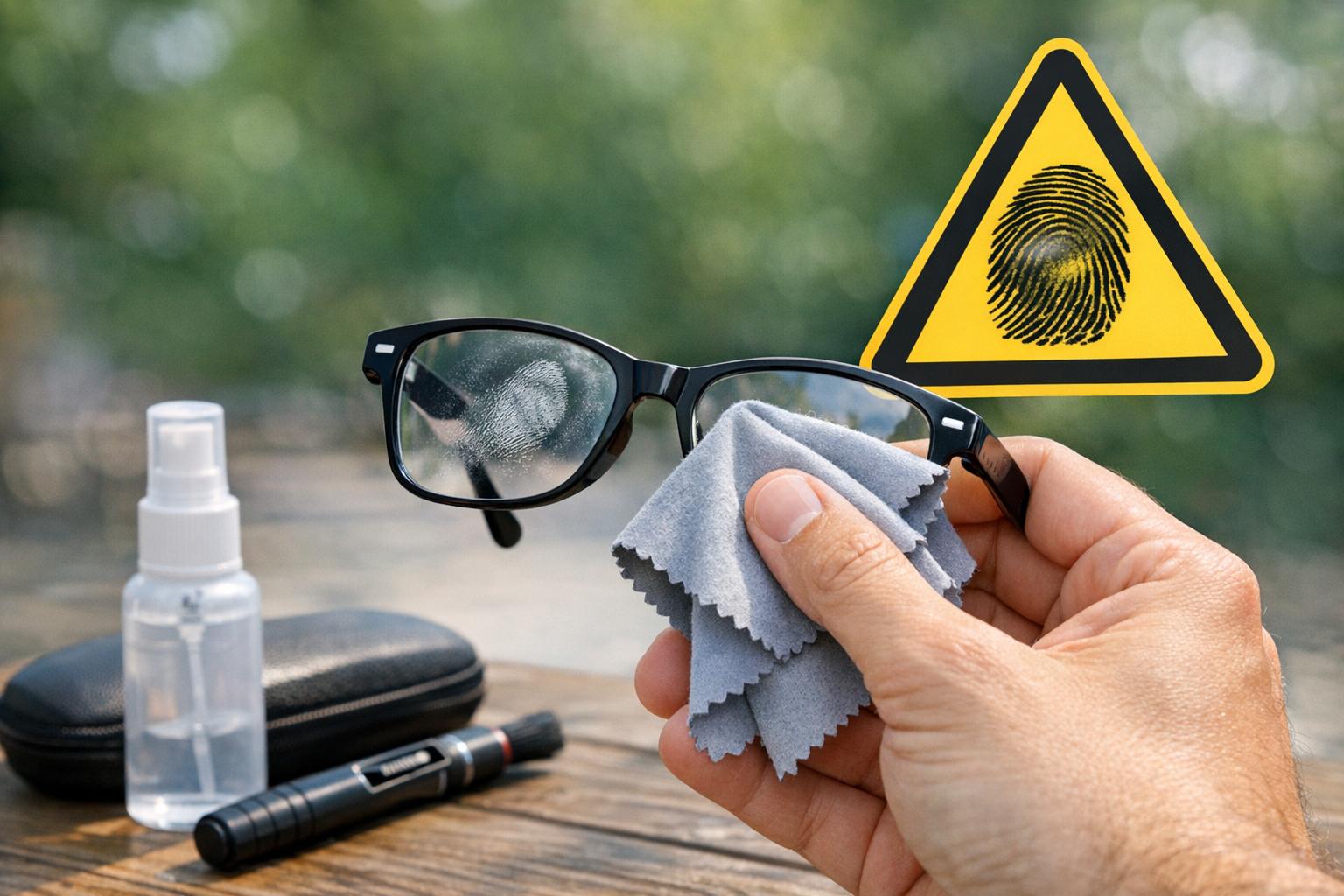
Understanding the Causes of Lens Smudging
To effectively prevent smudges on lenses throughout the day, it is crucial to first understand their common causes. Smudges often result from natural oils or dirt on fingers, environmental dust, or accidental contact with the face. Anticipating these problems allows for proactive measures, ensuring lenses remain clean.
Proper Handling of Lenses
Handling lenses with clean hands is a fundamental practice to prevent smudging. Before touching your glasses or camera lenses, ensure your hands are free from oils and dirt. Washing your hands with soap and thoroughly drying them can minimize the transfer of contaminants to the lens surfaces, ultimately maintaining clarity.
Use Suitable Cleaning Cloths
Utilizing a microfiber cloth for cleaning lenses is ideal. These cloths are specifically designed to gently remove dirt and oils without scratching the lens surfaces. It’s advisable to carry a microfiber cloth with you, especially if you wear glasses regularly or use photographic equipment during the day. Microfiber cloths are equipped with fine fibers that can access tight spaces where regular cloths cannot, ensuring a comprehensive clean without the use of liquids or chemicals that might be harmful over time.
Avoid Overcleaning
While keeping lenses clean is important, overcleaning can sometimes cause more harm than benefit. Repeatedly wiping lenses, especially with unsuitable materials, may introduce scratches or further distribute grime. Always use the right materials and avoid excessive cleaning to maintain lens quality. Overcleaning can lead to a gradual breakdown of coating on lenses, reducing their effectiveness over time. An appropriate cleaning schedule ensures that lenses are only cleaned when necessary, avoiding unnecessary wear.
Environmental Considerations
Environmental factors play a significant role in lens smudging. Dusty or humid environments can exacerbate the accumulation of debris on lenses. If you are in such environments, consider using lens covers or storing your lenses in a secure case when not in use. By creating barriers against such conditions, you can significantly reduce the frequency at which lenses require cleaning.
Utilize Lens Coatings
Lenses with anti-reflective or hydrophobic coatings are less prone to smudges. These coatings help repel liquids and dust, providing an additional layer of protection. If smudging is a persistent issue, lenses with these advanced coatings might be worth considering. For further information on this technology, you can check out resources from manufacturers like Zeiss. Such coatings work by altering the surface tension, causing liquids to bead up and easily roll off, while reducing glare for clearer vision.
Regular Maintenance
Frequent checks and cleaning schedules for your lenses can prevent smudges from becoming a hindrance. Set reminders to clean your lenses at the start of each day and after exposure to challenging environments, not only to maintain clarity but also to prolong the life of your lenses. Consistent maintenance helps avoid the accumulation of debris that can become more difficult to remove over time and cause wear on coatings or other lens treatments.
Storage Solutions
Proper storage of lenses can also play a significant role in preventing smudges. When lenses are not in use, placing them in a case can protect them from ambient dust and accidental contact. A good lens case should be hard-sided to offer protection against impact and lined with soft material to prevent scratches. For camera lenses, lens hoods can add another layer of protection without sacrificing usability.
Additional Protective Gear
In particularly challenging environments, using additional protective gear like goggles or protective films can offer extra prevention. This is especially useful for photographers or professionals working in industries prone to environmental pollutants. Protective films can act as a first line of defense, capturing debris and smudges before they reach the surface of your lens.
Applying these practices can help keep lenses free from smudges, ensuring clear vision and optimal use throughout the day. By understanding the causes and taking preventative measures, lens users can enjoy uninterrupted, clear vision. The proactive approach not only improves the user experience but also extends the life and usability of each lens, whether for prescription glasses or intricate photographic equipment.
This article was last updated on: October 31, 2026