

Understanding the Problem
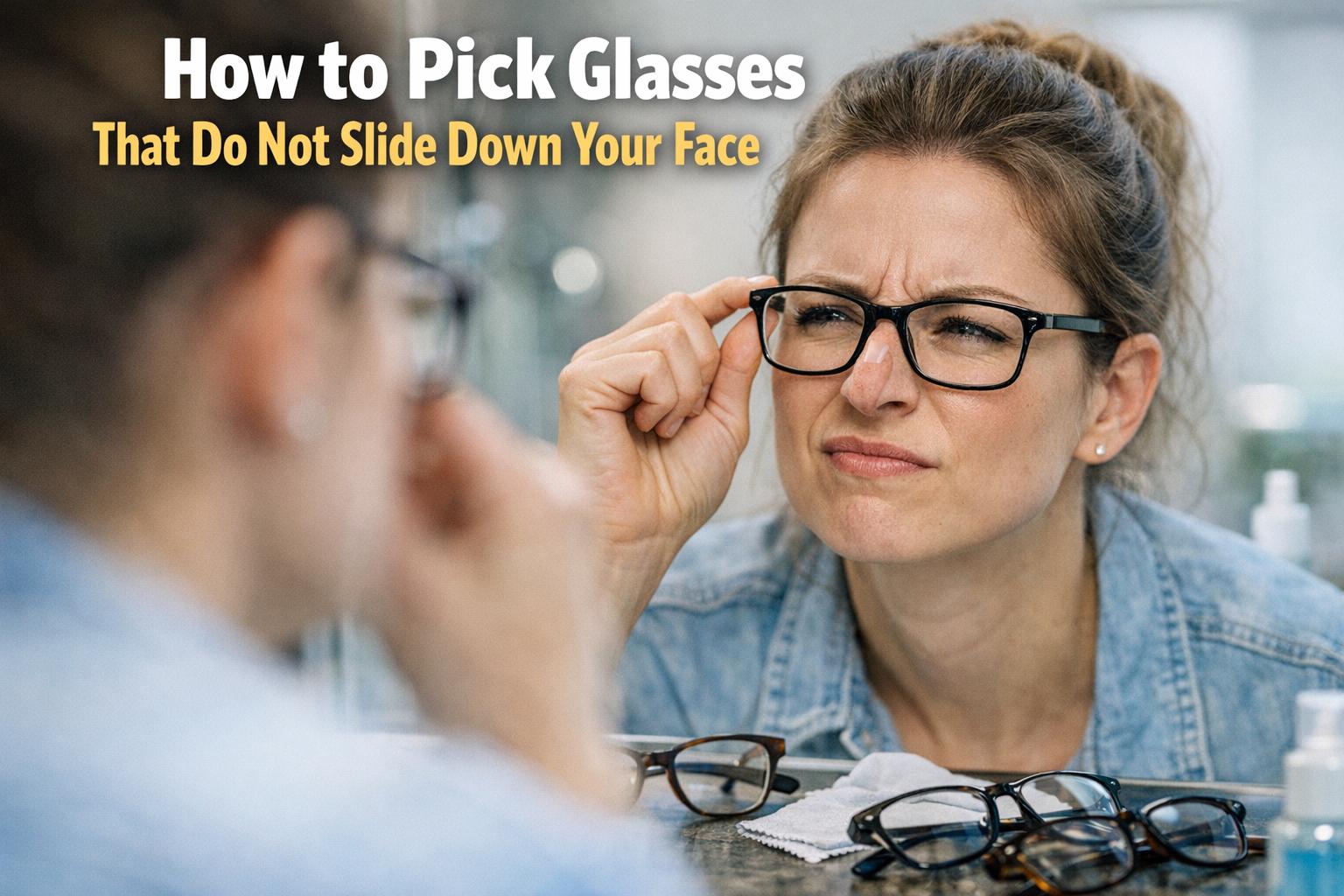
Glasses that frequently slide down your nose can be a persistent annoyance, disrupting daily activities and causing unnecessary distractions. This common issue often arises due to various factors including poor fit, inappropriate frame material, or even personal anatomical variances. Such issues are not just a nuisance but can also affect the efficacy of the glasses, impacting both comfort and visual correction. Addressing these issues is essential not only for comfort but also for ensuring optimal vision correction, which is crucial for tasks that require precise focus.
Factors to Consider
When selecting the right pair of glasses, several critical factors need consideration. The fit of the frame is among the top priorities. This involves ensuring that the frames are neither too tight nor too loose and that they rest comfortably on the bridge of your nose without any excessive movement that could lead to them slipping. A comprehensive understanding of these factors can aid in the selection process, ensuring a more comfortable and practical outcome.
Frame Fit
A well-fitting frame is fundamental in preventing glasses from slipping down your nose. This is not just about aesthetics but about achieving functionality and stability. You should pay close attention to the bridge width, as it determines how snugly the glasses sit on your nose. An optician can assist you in measuring this dimension accurately, ensuring that the bridge is neither too wide nor too narrow for your unique facial features. A correctly fitted bridge minimizes motion, providing a more stable wearing experience whether you’re engaged in physical activity or simply reading.
Nose Pads and Grips
For enhanced stability, glasses with adjustable nose pads can offer a more secure fit. This feature is particularly beneficial for those with lower or higher nose bridges, as it allows customization to individual anatomical needs. Silicone nose pads are especially popular due to their combination of grip and comfort. They adhere better to the skin, reducing slippage even when you’re perspiring. If your current glasses do not feature adjustable nose pads, you may consider visiting an optician, as many offer replacement nose pads that can be retrofitted to your existing frames.
Frame Material
The material of your glasses’ frame can significantly impact both the weight and grip, two primary factors in the prevention of slippage. Opting for lightweight materials such as titanium or TR-90 frames can provide durability without adding undue weight that contributes to slipping. Titanium, known for its strength and lightness, offers a premium solution for long-lasting comfort. TR-90, a virtually indestructible thermoplastic, provides flexibility and resilience. Additionally, certain materials can be equipped with anti-slip grips over the ears, enhancing stability and ensuring that the glasses remain in position throughout the day.
Style and Design
While functionality is crucial, the style and design of glasses should not be overlooked. Frames with a slightly curved temple design can offer better support by hugging the back of the ear closely. This curved design is strategically beneficial in minimizing the forward slide often occurring with straight temple designs. Aesthetic considerations also play a role here as well-fitting, stylish glasses can boost confidence while ensuring comfort and utility.
Temple Fit
The fit of the temple arms plays a significant role in determining how well glasses stay in place. The length and shape should be chosen with care. Ideally, the temples should extend just beyond the ear and incorporate slight bends that help maintain a secure fit. When trying on new glasses, make sure that the temple tips make gentle contact with the back of your ears, providing just enough pressure to hold the frames in place without causing discomfort. This balance is essential for long-term wearability without irritation.
Professional Assistance
Engaging with an eye care professional when selecting or adjusting glasses is always a prudent approach. Such professionals can provide valuable insights into the most suitable frame dimensions for your facial structure, significantly reducing the trial-and-error process often encountered when choosing glasses independently. They can also help with necessary adjustments on the spot, ensuring a precise fit. If required, your optician can adjust the frames’ angle and curvature, further enhancing comfort and stability to suit your personal requirements.
Enhancements and Accessories
Apart from selecting the appropriate frames and materials, there are additional accessories available designed to improve the fit of your glasses. These include anti-slip ear grips or hook-style retainers, which can be seamlessly attached to the temples of most glasses models. These enhancements provide an extra layer of security, ensuring the glasses remain fixed during dynamic activities or for individuals who are more physically active.
Maintaining Your Glasses
To maintain the fit and functionality of your glasses over time, proper upkeep is crucial. This includes regularly tightening any loose screws and keeping the frames clean to avoid residue build-up that can affect grip. Proper maintenance not only extends the life of the frames but also ensures they continue to provide the necessary support and vision correction. It’s advisable to periodically check for wear and tear, addressing any issues promptly to maintain optimal performance.
In conclusion, understanding the nuances of fit and material can greatly influence the comfort and stability of your eyewear. For those seeking more detailed information on selecting the right glasses, visiting an optician’s website or making an appointment with a local eyewear specialist can be invaluable. Such resources offer expert advice, ensuring that the time you invest in finding well-fitting glasses will enhance both comfort and overall visual performance.
This article was last updated on: April 3, 2026