
Introduction
Handling loose screws in glasses is a common issue that can easily be resolved at home with a few tools and some patience. This guide outlines effective methods for tightening glasses screws to ensure your glasses remain secure and comfortable.
Tools Required
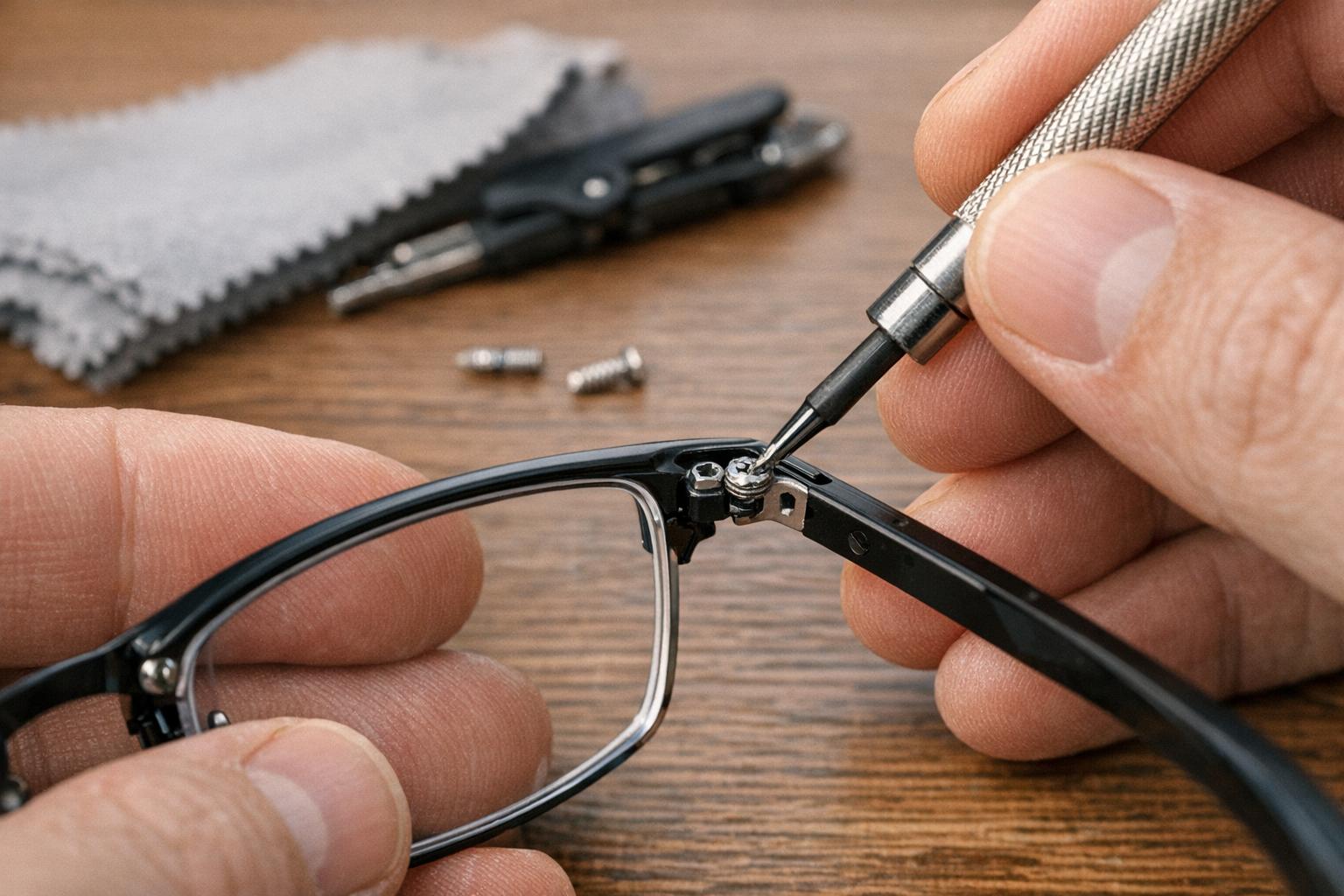
To fix loose screws in glasses, you will need a few key items that will facilitate the process and help achieve the desired result. Firstly, a mini screwdriver set is essential, typically including both flat head and Phillips head screwdrivers. These are often found in most eyewear repair kits and are specially designed to work with the small screws used in glasses. Additionally, having a magnifying glass is beneficial as it allows you to better see the tiny components involved. It can significantly help avoid mistakes during the reassembly of the glasses.
Another important consideration is maintaining a clean, flat workspace. This environment prevents losing small parts and ensures you have enough space to move your tools without knocking anything over. It might also be worth considering using a drop of threadlocker or clear nail polish for added security—an optional step but one that can save time in the future by reducing the likelihood of screws coming loose again.
Step-by-Step Guide
1. Identify the Loose Screw
The first step in the process involves a careful inspection of your glasses to determine which screw is loose. Typically, this screw will be found on the temple (the arms of the glasses) or the bridge (the part that rests over the nose). Identifying the correct screw to tighten is crucial as it focuses your efforts and ensures you address the root of the issue without causing additional strain or damage to other parts of the glasses.
2. Use the Correct Screwdriver
Once the loose screw is identified, it’s essential to select the appropriate screwdriver from your set. Most glasses screws are indeed very small, requiring a precision screwdriver to properly tighten them. You must ensure the screwdriver head fits snugly into the screw slot. This not only aids in turning the screw effectively but also in avoiding stripping the screw, which could complicate future repairs.
3. Tighten the Screw
Next, place your glasses on a stable, flat surface to prevent them from moving excessively during the process. Using the screwdriver, gently turn the screw clockwise. It’s crucial to be cautious not to over-tighten, as this could strip the screw or damage the frame, potentially leading to additional issues. The goal here is secure snugness, allowing for functionality without risking structural integrity.
4. Secure the Screw (Optional)
For those seeking extra assurance, an additional step can be taken. Apply a small drop of threadlocker or clear nail polish to the tightened screw. This action helps to prevent the screw from loosening again in the future, especially under frequent use or stress. Allow the application to dry completely before wearing your glasses. This optional step ensures added durability without affecting the immediate usability of the glasses.
5. Check the Fit
After tightening the screws, it’s time to test the fit. Wear your glasses to ensure they fit comfortably and securely. The arms should not wobble, and the glasses should sit firmly on your face without creating unnecessary pressure points. Ensuring a proper fit not only guarantees comfort but also maintains the alignment of the lenses to your eyesight.
Preventative Maintenance
In addition to reactive repairs, regular maintenance can help prevent glasses screws from becoming loose. It is advised to periodically check the screws and tighten them as needed. Taking preemptive actions can prevent small issues from becoming larger inconveniences. Another tip is to store your glasses in a protective case when not in use. By doing so, you minimize stress on the frames and reduce the potential for physical impacts that could loosen screws or misalign lenses.
For more about caring for your glasses, consider visiting [this resource](https://www.example.com/glasses-care-guide), which provides comprehensive tips on eyewear maintenance. This guide can further enhance your understanding of how to prolong the life and functionality of your glasses.
Conclusion
By following these simple steps, you can keep your glasses in good condition, ensuring both their functionality and your comfort. Regularly checking and tightening the screws as needed can prolong the life of your eyewear and keep them in optimal condition. These maintenance strategies not only preserve your glasses but also save you time and resources in the long term, making them a worthwhile routine to adopt. The security and precision with which you handle such small components can have significant effects, ensuring your glasses continue to serve you well in every aspect of your daily life.
This article was last updated on: October 9, 2026