

Welcome to our website devoted to different types of optics and how they can help you see things you might not otherwise be able to see. We will talk about how different techniques such as laser surgery and different types of optics can improve your vision. We will talk about how to restore natural vision and how to get supernatural vision with the help of night vision and telescopes.
Our goal is to provide you with the information you need to be able to make an informed decision when you need to buy eyeglasses, lenses, sunglasses and other types of optics. We will not review individual products but rather show you how the products work. If you know how something work you know what to look for when you are buying a product.
Eye Glasses and Contact Lenses
Remember that eyeglasses and lenses are medical products. It is very important that you buy medical grade eyewear and lenses. If you buy low-quality alternatives you might end up hurting your eyes and reducing your sight further. Low-quality glasses can be prune to shatter with the risk of shards penetrating your eyes. Low-quality lenses can shatter but you have also the risk that the lenses might be made from materials that can hurt your eyes even if they don’t break. It is never worth risking your eyesight to save a few dollars. It usually works out to a few cents a day over the lifetime of the glasses.
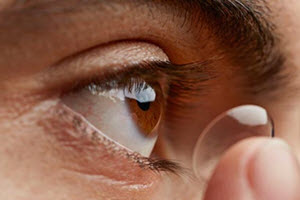
You should always consult an optician or other qualified eye care professional to examine your eye if you think you need glasses. I recommend that you check your eyesight once a year. By examining your eyes regularly you can discover a problem early and prevent unnecessary damage. If you need glasses or lenses the optician or qualified eye care professional can write a prescription for you. The prescription will tell you exactly which eyeglasses or lenses you need to give your eyes the support they need. Tell the optician about your lifestyle and hobbies so that he can tell you if you should use soft or rigid lenses. You might be advised to use rigid lenses but do keep soft lenses on hand to use during certain activities during which the rigid lenses can be dangerous to use.
Once you have a prescription you can buy your glasses or lenses online. You can usually save a lot of money by ordering your glasses and lenses online. This is partly because the online shops have lower overheads and therefore can offer lower prices and partly due to the fact that you can use a price comparison site to easily find the cheapest store. This is a lot harder to do offline.
Only use vendors that sell exclusively medical grade lenses. Never gamble with your health. Never buy lenses that are not certified medical grade. Buying low-quality lenses allow you to save money but it can cost you your sight. You can lose a lot but win very little.
I recommend that you always order from a store within your country. If you want to order from an international vendor you should make sure that the vendor is based in a rich western European country such as Ultravision in the UK, Alcon in Switzerland and Germany or Linser.com in Sweden. The lenses you get from Africa, South America, Mexico, and Asia can sometimes be low quality regardless of the vendor’s guarantee. It is not worth taking the risk of ordering from these vendors even though many of them are honest.
Eye Laser Surgery
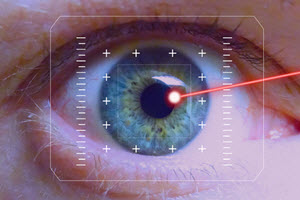
Laser surgery can be the best investment you do in your entire life. Many people who decide to have their eyesight corrected feel that it completely changes their life. It allows them to get a near perfect sight without ever having to worry about glasses or lenses again.
A common reason not to get laser surgery is that it is considered expensive. It is true that it cost a lot of money but it is usually the cheaper alternative in the long run. Laser surgery is a one time cost compared to glasses and lenses that are returning expenses. It is often possible to borrow the money need to get your laser surgery making it a viable option even if you do not have the savings to pay for it.
I recommend that you find out from an eye care professional if laser surgery is an option for you. Always ask for a risk assessment based on your unique situation. Laser surgery is usually a safe option but the risk will vary depending on the type and extent of eye damage you suffer from. Once you know your options you can decide what you want to do.
Beyond human sight – Telescope, Zoom and night vision
Optics can help you to see better than you naturally can even if you have perfect sites. We have used telescopes for a long time to be able to see things that are too far away to be able to see with your naked eye. Today we use advanced telescopes to be able to see galaxies far far away. Another more recent invention is night vision that makes it possible to see what happens under cover of darkness.¨
If you want to buy a telescope, a night vision device or another optical device that allows you to see what is otherwise hidden you will need to make sure that you know how you want to use it before you buy it. How you are going to use it going to have a large effect on what you should buy. An important feature for one use can be completely unnecessary for another use. No need to buy a more advanced an expensive device if you don’t need the featured offered.